
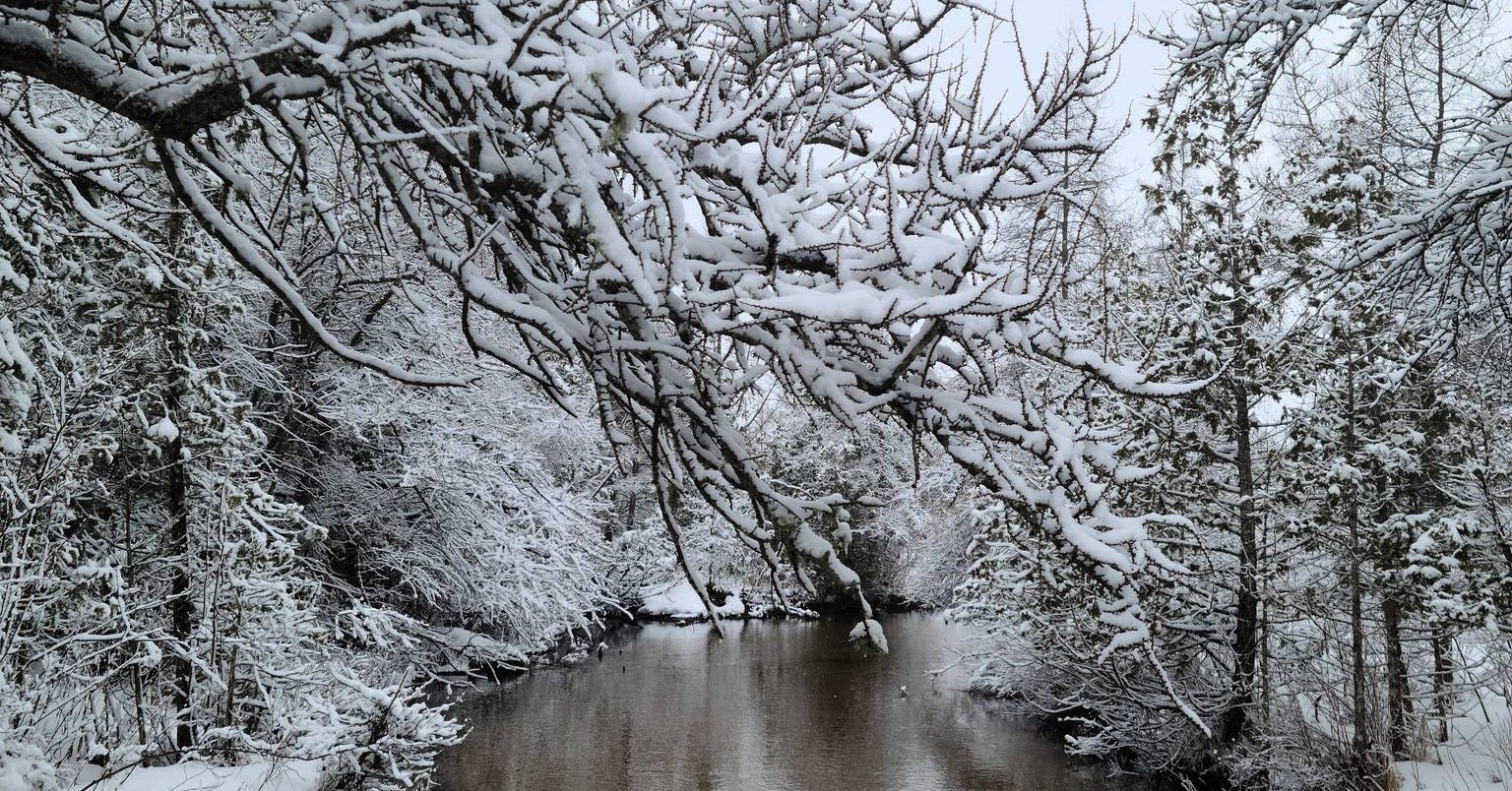
Hello friends! It has been a busy month. Here in northern Michigan, Februarys are always filled with cross-country and snowshoe treks in the great white north, long walks with the dog in the snow, bread-baking, visits from friends and family, and, of course, reading.
Here are a few books I read this month that I think you might enjoy. I give you a list every month, so if you like, become a free subscriber (but please, not a paid one :)
I was visiting Mclean and Eakin, one of my favorite bookstores, and I picked up this novel. “Oh, you’ll love this,” the bookseller told me. “It opens with the main character punching a MAGA dude in the face.” I almost put it back (I mean, I can look on Insta if I want to see stuff like that), but you know: I was at the counter, and my credit card was already out.
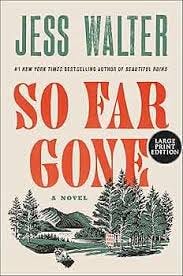
The bookseller was right; the novel does open this way. A recluse named Rhys Kinnek does punch his son-in-law in the face, after he spouts one too many Trump-isms. A few years later, he finds his grandchildren on his doorstep. Together with an out-of-work detective, they begin a search to find Rhys’ estranged daughter, who has left her family for unknown reasons. Their search leads them to a radical right-wing conservative Christian encampment, and that’s where the real fun begins.
The book’s chapters are narrated by different characters, each with a distinctive voice. And there are several scenes where I laughed, re-read the passage, and laughed again. Walter captures the contemporary world in all its absurdity, and he seems to find particular joy in poking fun of the alt right. But this book also poses a serious question: what happens when we decide that the world is just too much, and we retreat from it all? What do we gain, and what do we lose?
What If We Get It Right?: Visions of Climate Futures by Ayana Elizabeth Johnson
I’ll start with a disclaimer. I finished this book this month. But at over 400 pages, this collection of essays and interviews took me about five months to get through. It’s okay. It was worth it.
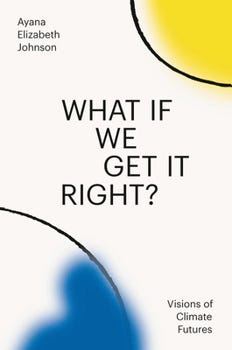
Johnson wrote this book with an interesting premise. She is an oceanographer deeply invested in protecting the natural environment, so she decided to interview a number of people in different fields: politicians, filmmakers, city planners, CEOs, farmers, and scientists. These interviews focus on what they are doing “right” to help fight climate change. Rather than a book that outlines how bad things are with greenhouse gas emissions filling our air, plastics polluting our waters, and entire ecosystems crumbling into oblivion, she talks to people who are actively participating in making other climate futures possible. It’s inspiring. These are stories I didn’t know, and these are stories that give me hope.
Each section of the book opens with a list of ten environmental issues and a list of ten possibilities that could positively impact our climate futures. Each chapter includes a friendly explanation of her connection with the person she interviews, along with chatty footnotes and even annotations (like exclamation points) next to ideas Johnson finds important. And the folks she interviews are an impressive bunch.
It’s an odd book to read right now. This collection was written during the early years of the Biden administration (the edition I read was published in 2024), when there was some significant movement forward on climate change. Now, a little over a year into the Trump administration, much of this work has been stalled or has vanished altogether.
That said, it’s still worth reading—to remember that there are good people in the world who care to preserve our planet for generations to come. Or maybe you wait for the updated edition, which comes out on Earth Day, April 14, 2026.
Also read and would recommend:
The People’s Project: Poems, Essays, and Art for Looking Forward, edited by Saeed Jones and Maggie Smith.
This short collection of poems, comics, essays, and reflections, collected by two stellar writers, is a hopeful reminder of the power of art to witness and protest our current political climate.
A thoroughly enjoyable novel. This story examines the relationship between a woman and two men who became friends in college, and the ways they attempt to navigate away from their complicated relationships with one another—and how they end up together in the end.
A Flat Place: Moving Through Empty Landscapes, Naming Complex Trauma by Noreen Masud
This memoir uses the narrator’s fascination with flat landscapes, visiting several of them throughout the book to share pieces of her story, which include being a woman of color, queer, and a survivor of emotional abuse at the hands of her father. No, it’s not a light read, but it is one exceptionally well-told.